Comprendre la chimie
Le ciment, le plâtre et le stuc sont intrinsèquement alcalins. Avec le temps, le pH élevé de ces matériaux peut attaquer chimiquement et dégrader les fibres de verre classiques. Treillis en fibre de verre résistant aux alcalis est spécialement conçu pour résister à cet environnement hostile. Il est tissé à partir de fils de verre contenant de la zircone ou traités avec un revêtement polymère spécifique qui agit comme un bouclier protecteur contre la corrosion alcaline. Maille non résistante aux alcalis ne bénéficie pas de cette protection et perdra rapidement sa résistance à la traction lorsqu’il est incorporé dans des matériaux à base de ciment.
Le ciment, le plâtre et le stuc sont intrinsèquement alcalins. Avec le temps, le pH élevé de ces matériaux peut attaquer chimiquement et dégrader les fibres de verre classiques. Treillis en fibre de verre résistant aux alcalis est spécialement conçu pour résister à cet environnement hostile. Il est tissé à partir de fils de verre contenant de la zircone ou traités avec un revêtement polymère spécifique qui agit comme un bouclier protecteur contre la corrosion alcaline. Maille non résistante aux alcalis ne bénéficie pas de cette protection et perdra rapidement sa résistance à la traction lorsqu’il est incorporé dans des matériaux à base de ciment.
Principales différences de performances
La principale différence réside dans la durabilité à long terme. Le treillis résistant aux alcalis conserve son intégrité structurelle pendant des décennies, garantissant ainsi que les murs restent sans fissures et renforcés. Les treillis non résistants aux alcalis peuvent sembler identiques au premier abord, mais dès qu'ils sont exposés au béton ou au mortier humide, leurs fibres commencent à se détériorer. En l'espace de quelques mois ou de quelques années, le treillis peut devenir cassant et se désagréger, perdant ainsi complètement sa fonction de renforcement.
La principale différence réside dans la durabilité à long terme. Le treillis résistant aux alcalis conserve son intégrité structurelle pendant des décennies, garantissant ainsi que les murs restent sans fissures et renforcés. Les treillis non résistants aux alcalis peuvent sembler identiques au premier abord, mais dès qu'ils sont exposés au béton ou au mortier humide, leurs fibres commencent à se détériorer. En l'espace de quelques mois ou de quelques années, le treillis peut devenir cassant et se désagréger, perdant ainsi complètement sa fonction de renforcement.
Consignes de candidature
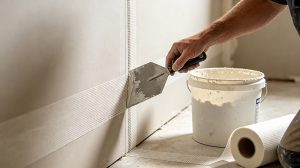
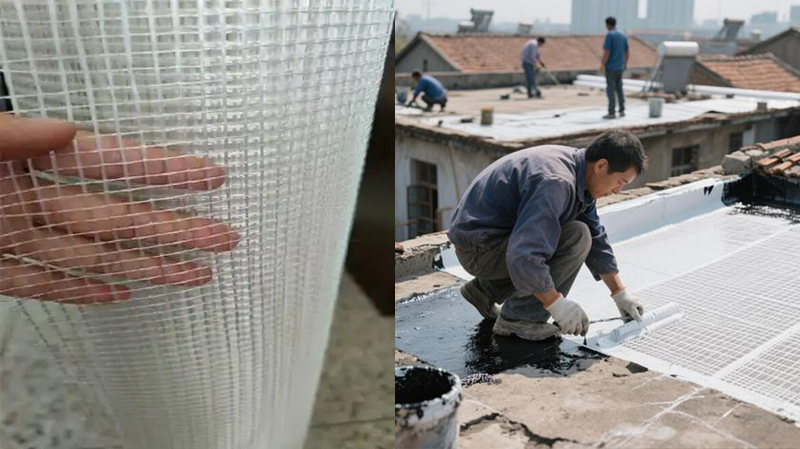
L'utilisation d'un treillis en fibre de verre résistant aux alcalis est obligatoire pour toute application impliquant du ciment ou du plâtre. Cela concerne notamment les systèmes d'isolation et de finition par l'extérieur (EIFS), le renforcement du stuc, les panneaux en béton armé de fibre de verre (GRC), les panneaux de support pour carrelage et l'étanchéité des toitures.
L'utilisation d'un treillis en fibre de verre résistant aux alcalis est obligatoire pour toute application impliquant du ciment ou du plâtre. Cela concerne notamment les systèmes d'isolation et de finition par l'extérieur (EIFS), le renforcement du stuc, les panneaux en béton armé de fibre de verre (GRC), les panneaux de support pour carrelage et l'étanchéité des toitures.
Les treillis non résistants aux alcalis, bien que généralement moins coûteux, doivent être strictement réservés aux applications à sec et non cimentaires. Ils peuvent être utilisés en toute sécurité pour le colmatage des joints de plaques de plâtre, le renfort de tissus en intérieur ou l'isolation non structurelle, à condition qu'ils n'entrent jamais en contact avec des matériaux humides et alcalins.
Comment reconnaître un maillage AR de qualité
Lors de l'approvisionnement treillis résistant aux alcalis, demandez toujours les fiches techniques et les rapports d'essais réalisés par des organismes indépendants. Un treillis AR de haute qualité doit conserver au moins 70% à 90% de sa résistance à la traction d’origine après une exposition prolongée à une solution d’hydroxyde de sodium (NaOH). De plus, vérifiez la qualité du revêtement ; un revêtement acrylique ou en latex haut de gamme garantit que le treillis reste souple et facile à manipuler lors de la pose, sans s’effilocher.
Lors de l'approvisionnement treillis résistant aux alcalis, demandez toujours les fiches techniques et les rapports d'essais réalisés par des organismes indépendants. Un treillis AR de haute qualité doit conserver au moins 70% à 90% de sa résistance à la traction d’origine après une exposition prolongée à une solution d’hydroxyde de sodium (NaOH). De plus, vérifiez la qualité du revêtement ; un revêtement acrylique ou en latex haut de gamme garantit que le treillis reste souple et facile à manipuler lors de la pose, sans s’effilocher.
Conclusion
Ne faites jamais de compromis sur la résistance aux alcalis lorsqu’il s’agit de renforts structurels. Si les treillis non résistants aux alcalis présentent un coût initial moindre, leur défaillance dans les environnements alcalins en fait une fausse économie pour les projets de construction. Investir dans des treillis certifiés résistants aux alcalis treillis en fibre de verre garantit la longévité et la sécurité de votre bâtiment.
Ne faites jamais de compromis sur la résistance aux alcalis lorsqu’il s’agit de renforts structurels. Si les treillis non résistants aux alcalis présentent un coût initial moindre, leur défaillance dans les environnements alcalins en fait une fausse économie pour les projets de construction. Investir dans des treillis certifiés résistants aux alcalis treillis en fibre de verre garantit la longévité et la sécurité de votre bâtiment.
Pour des treillis en fibre de verre fiables, hautement performants et résistants aux alcalis, faites confiance à Shanjian Fiberglass. Nous fabriquons des treillis AR haut de gamme conformes aux normes internationales.